
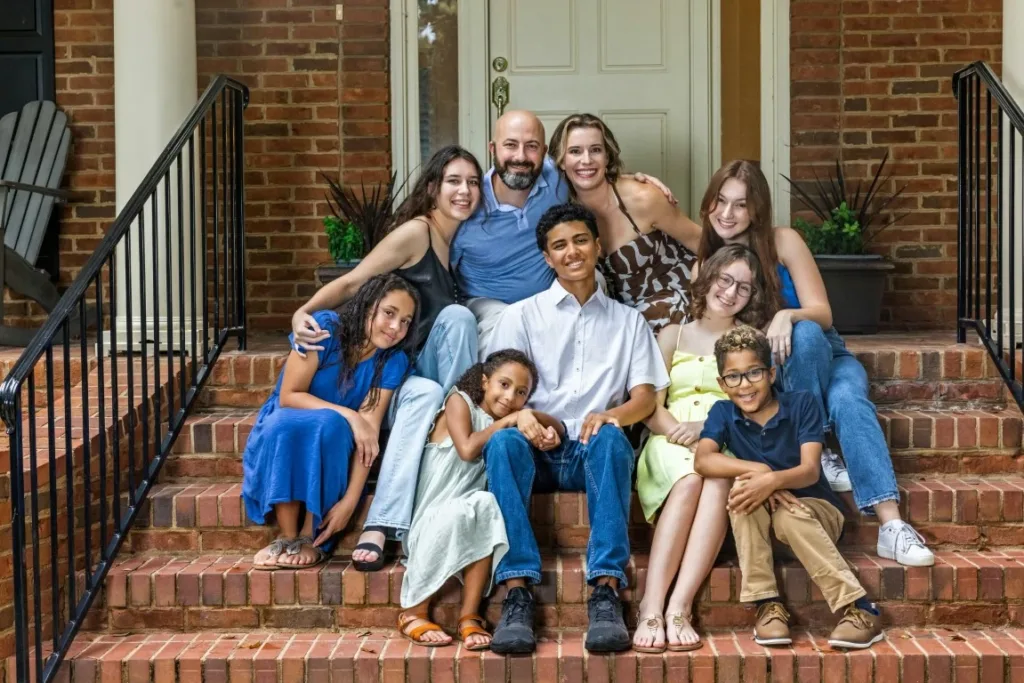
Creating a clear, comprehensive estate plan is important for any household, but it becomes especially crucial when you are part of a blended family. Families that include remarried spouses, stepchildren, half-siblings, or children from previous relationships often face more complicated legal, financial, and emotional dynamics.
Without proper planning, loved ones might face confusion or conflict later, and your true intentions may not be carried out. Fortunately, a thoughtful estate plan can bring peace of mind, protect each family member’s interests, and help avoid unnecessary disputes. By understanding the unique challenges that come with a blended family, you can take proactive steps to secure your legacy and support the people who matter most.
Unique Challenges Every Blended Family Should Consider
A blended family introduces relationships that may not be fully protected under default state laws. If you pass away without an appropriate estate plan, the law often distributes your assets in a way that prioritizes your biological relatives, which may unintentionally exclude stepchildren or your current spouse.
This can lead to major emotional and financial consequences for the people you intended to provide for, especially in an already distressing period of their lives. Some common challenges blended families face include:
- Unequal expectations among family members, especially when both spouses have children from previous relationships.
- Uncertainty about guardianship, particularly when minor children have another biological parent.
- Disputes about sentimental or family-owned property, including heirlooms, vehicles, and real estate.
- Questions about financial dependency, since some children or stepchildren may rely on you more than others.
Because a blended family often has competing needs, creating a plan early helps everyone understand what you want, why you want it, and how decisions should be carried out following your passing.

Key Estate Planning Tools for Blended Families
While everyone benefits from comprehensive estate planning, this is especially true for blended families. Having clear documentation that outlines exactly how your assets and responsibilities should be handled can help you get through this process. While every situation is different, the following tools should be especially helpful for a blended family.
Wills and Trusts
Your will lays the foundation for your estate plan, but a trust often provides additional clarity and control. Trusts help ensure your spouse is cared for while also protecting the inheritance you want to pass to children from a prior relationship. Because a blended family may have shifting priorities, a trust allows you to set aside specific amounts or assets for each beneficiary and provide long-term financial support to your spouse while preserving assets for your children.
Beneficiary Designations
Many assets transfer automatically through beneficiary designations; for example, life insurance policies, retirement accounts, and some investment products. Without reviewing these regularly, you may unintentionally leave benefits to an ex-spouse or omit a new family member. In a blended family, updating beneficiaries after major life changes ensures your wishes are accurately reflected and prevents confusion.
POA and Healthcare Directives
A blended family can involve multiple people who may feel they have a say in your care. By appointing one trusted decision-maker for financial and medical matters, you eliminate uncertainty and make sure your preferences are honored. These documents are vital if you become incapacitated since they guide your spouse, children, and stepchildren through challenging decisions.

Guardianship Planning
For parents of minor children, choosing a guardian is essential. In a blended family, this decision can be more complicated because it may involve another biological parent, a new spouse, or extended family members. Clearly documenting your guardianship wishes helps avoid confusion among relatives and reduces the chances of a court choosing someone you would not prefer.
Communication Strategies for Your Estate Plan
Legal documents are essential, but open communication is equally important in a blended family estate plan. Honest, proactive conversations help reduce misunderstandings and bring everyone onto the same page. If you want to ensure open communication with your family, consider these tips:
- Be transparent about your goals, especially if you plan to distribute assets unevenly.
- Explain the reasoning behind your decisions, such as providing more support for a dependent child or accounting for financial contributions from a spouse.
- Hold a family meeting, or separate conversations if that feels more comfortable, so children and stepchildren understand what to expect.
- Work with a neutral third party, such as an attorney or financial advisor, to facilitate discussions when dynamics feel sensitive.
Communication can strengthen trust within a blended family, reduce the risk of conflict later, and ensure your plan reflects your values as well as your relationships. If you want to ensure your loved ones avoid contested wills and the probate process, this step is essential.
How to Keep Your Estate Plan Up to Date
Creating a plan is the first step; updating it regularly is equally important. A blended family often evolves over time, whether through additional children, changing financial situations, or shifting family relationships. Consider reviewing your plan every two to three years, or sooner if you experience major changes such as:
- Marriage or divorce.
- The birth or adoption of a child or grandchild.
- Significant increases or decreases in assets.
- A child or stepchild becoming estranged or financially independent.
- The passing of a loved one who previously held a role in your estate plan.

Regular updates ensure your estate plan continues to support your blended family fairly and accurately. While you might not think these updates are important, they can help your loved ones avoid additional heartache following your passing.
Protect the People You Love Most with a Comprehensive Estate Plan
If you’re a part of a blended family, it’s essential that you find a reliable estate planning attorney to help you create your plan. At Bishop Estate Law, we’re dedicated to helping you create a plan that provides care to your spouse, children, grandchildren, and more. No matter what your family looks like, we’re dedicated to helping you create the perfect will, trust, and additional estate planning documents to keep your family safe and secure.
When you’re ready to create an estate plan for your blended family, contact us for support.