
Table of Contents
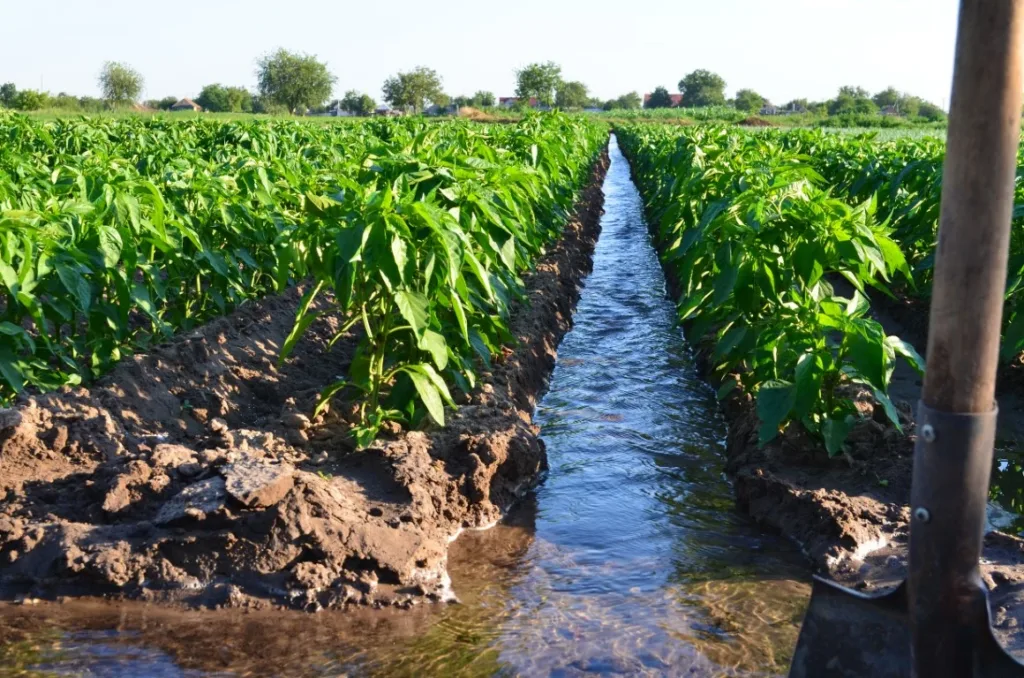
When you own large, agricultural properties, your estate planning needs may look quite a bit different than someone who only owns a residential or commercial property. Passing down property to your heirs might not be as simple as ensuring it is written into your will. You also need to consider your existing water rights and make appropriate accommodations for them.
But what exactly do you need to know about water rights in Northern Utah and the inheritance process? Navigating this on your own can be complex, and may leave your heirs without water access to maintain the property you’ve tended and loved. If you want to ensure your loved ones are protected after your passing, keep reading to learn more about what they may need to do.
Understanding How Water Rights Are Passed Down Through Generations
In Utah, water rights are considered real property, meaning they can be passed from one generation to the next. However, it isn’t as simple as stating you want one heir to inherit these rights in your estate plan. Understanding how to pass down your water rights in Northern Utah will vary depending on whether you have rights or shares.
- Water Rights: You have express rights through the state’s Division of Water Rights (DWRi) to use a certain amount of public water on your specified land. This water often comes from rivers, streams, and underground aquifers.
- Water Shares: This water is provided by a private water company, irrigation company, or mutual ditch company, who then delivers a specified amount of water directly to your land, often through pipes, canals, or ditches.
If you have water shares, you need to reach out to the private water company to discuss their specific transfer requirements. However, if you have water rights in Northern Utah, you will need to work directly with the DWRi to ensure the ownership is properly updated in the state’s records and that all legal documentation is completed to officially recognize the transfer to your heir.

Key Legal Steps for Transferring Inherited Water Rights in Northern Utah
Transferring inherited water rights in Northern Utah involves several important legal steps to ensure the rights are properly recognized and maintained under state law. The process typically begins with identifying the type of water right and confirming its current status through records held by the Utah DWRi.
Heirs will need to provide documentation such as a death certificate, probate paperwork, or a trust agreement to establish legal ownership. Once ownership is verified, a change application or ownership update must be filed with the state. This ensures the water right is officially transferred into the heir’s name.
In some cases, additional approvals may be required if the water right is tied to specific land use or irrigation purposes. It is also important to confirm that all beneficial use requirements have been met to avoid potential forfeiture. Careful attention to these steps helps prevent delays, disputes, or loss of water rights in Northern Utah.
Common Challenges Heirs Face When Managing Water Rights
Because an heir does not simply inherit water rights in Northern Utah upon your passing, there are several chances for them to make mistakes when attempting to claim the rights. While your trust will specify who has the legal right to your water rights, they can still make mistakes during their attempt to claim your rights that can compromise whether they will inherit your water rights.
- Missing Documentation: If your heir doesn’t have the appropriate deeds or documentation confirming your water rights in Northern Utah as appropriated to you through the Doctrine of Proper Appropriation, they may not have a claim.
- Legal Hurdles: Your heir must file appropriate documentation with the DWRi to update ownership. Additionally, they must use it in the appropriate area and in a beneficial way or they can lose their claim on the water.
- Management Challenges: When distributed through the DWRi, the water must be used in a way that is recognized as “beneficial use.” If it does not meet their standards, they may struggle to maintain their rightful ownership.
- Co-Owner Disputes: If more than one heir attempts to claim your water rights or a property is divided and there is no specification of who gets water rights, this can lead to an incredibly costly legal battle.
The Role of Documentation and Records in Water Right Transfers

The easiest way to protect your heirs and ensure they have access to your water rights in Northern Utah is by ensuring you are keeping appropriate documentation and records. As you begin your estate planning process, it is important that you include copies of essential deeds and documentation that verifies your ownership of your water rights.
This documentation may also include maps of water distribution on your property. Your heirs will need this information after they claim your water rights as well, as this is regularly submitted to the state to prove beneficial use. Once you’ve passed, they will need to submit a Report of Water Right Conveyance to notify the DWRi.
By putting the appropriate documentation in place before you pass, you can help them move through this process smoothly. If your water rights have been passed down across many generations of Utahns, this can lead to messy or incomplete documentation. Addressing this before you pass can ensure these rights aren’t forfeited.
Why Working with an Estate Planning Attorney Can Simplify the Process
Working with an experienced estate planning attorney is crucial for simplifying the complex process of passing on water rights in Northern Utah. An attorney specializing in this area understands the nuances of both state water law and probate, which significantly reduces the risk of errors that could lead to forfeiture or disputes. An estate planning attorney can:
- Ensure Proper Documentation: They help gather, verify, and organize all necessary deeds, appropriations, and historical records needed for a smooth transfer, preventing heirs from struggling with incomplete or lost paperwork.
- Navigate DWRi Requirements: Attorneys are familiar with the specific filing requirements, deadlines, and the change application process with the Division of Water Rights (DWRi), ensuring the ownership update for your water rights in Northern Utah is handled correctly and promptly.
- Prevent Disputes: By clearly drafting the terms of transfer within your will or trust, they eliminate ambiguity, thereby avoiding costly co-owner disputes over the division of property and water rights in Northern Utah.
This specialized guidance protects your legacy and ensures your heirs can successfully maintain beneficial use and ownership of this critical asset.

Protect Your Legacy and Heirs with Our Support
If you are looking for an estate planning team who can help you protect your water rights in Northern Utah, turn to our team at Bishop Estate Law for support. We understand just how important it is to maintain your family’s agricultural presence in the state, and losing water rights can make it difficult, if not impossible, to do just that. But, when you work with our team, you can trust that our team is dedicated to keeping your heirs safe from this loss.
If you would like to learn more about how our team can help you and your heirs maintain your water rights in Northern Utah, contact us today.